

In today’s fast-paced supply chain environment, warehouse efficiency is more important than ever. Every square metre of space must be utilized effectively, and every process optimized to meet demand while keeping costs low. One of the most overlooked yet powerful ways to improve warehouse operations is by using the right storage containers specifically, industrial plastic bins and stackable plastic crates.
Maximizing Space Utilization
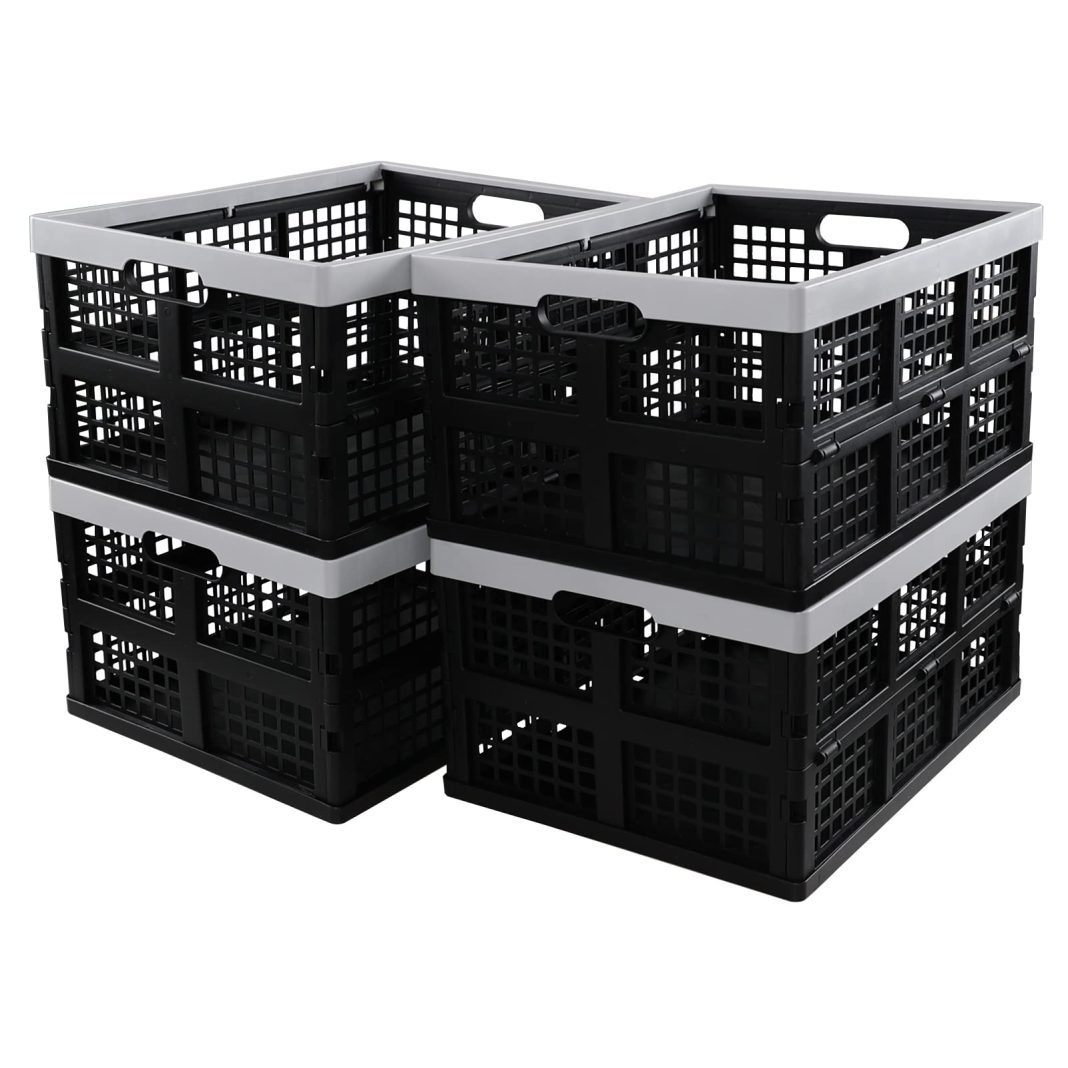
Warehouses are often challenged with managing bulky inventory, awkwardly shaped tools, or high volumes of goods. This is where stackable plastic crates prove their worth. Their interlocking design allows them to be stacked vertically, maximizing vertical space without compromising stability. Similarly, industrial plastic bins come in a variety of sizes and shapes designed for shelving systems or freestanding use, ensuring no space is wasted.
When bins and crates are used correctly, warehouse managers can significantly increase storage density while keeping items organized and accessible.
Durability and Strength for Industrial Environments
Unlike cardboard or lower-grade storage solutions, industrial plastic bins are made to withstand the rigors of heavy-duty environments. They resist impact, moisture, chemicals, and temperature extremes. This durability ensures that bins and crates will last for years, reducing the need for frequent replacements.
Stackable plastic crates share these traits, with reinforced sides and bases that provide structural integrity under load. They are ideal for industries such as automotive, manufacturing, pharmaceuticals, and food processing anywhere robust handling is required.
Enhanced Organization and Labelling
Organization is the cornerstone of an efficient warehouse. Both industrial plastic bins and stackable plastic crates are often designed with smooth surfaces for labelling, colour coding, and easy identification. This facilitates quicker inventory retrieval, reduces picking errors, and enhances overall workflow.
Many bins also come with optional lids, dividers, or clear fronts that make it easier to manage small parts or SKUs in high-volume operations.
Seamless Integration with Handling Equipment
Modern warehousing relies on forklifts, pallet jacks, and conveyor systems to move goods quickly. Stackable plastic crates are designed with uniform dimensions that fit standard pallets and racking systems, making them ideal for automation. Likewise, industrial plastic bins can be customized to fit specific carts or shelving units, improving handling speed and reducing manual labour.
This level of integration boosts productivity and reduces time spent handling or relocating goods, leading to faster order processing.
Hygiene and Cleanliness
In environments where hygiene is critical, such as food and pharmaceutical warehouses, industrial plastic bins and stackable plastic crates are superior choices. Unlike wooden or cardboard alternatives, they are easy to clean, non-porous, and resistant to m old and bacteria. Their consistent surface makes them ideal for environments with strict sanitary requirements.
Long-Term Cost Benefits
Although they may cost more upfront than disposable packaging or basic storage options, industrial plastic bins and stackable plastic crates offer long-term savings. Their durability, reusability, and ability to reduce damage and loss contribute to lower operational costs over time.
Conclusion
Smart warehouse management starts with using the right tools, and industrial plastic bins and stackable plastic crates are among the most effective tools available. Their durability, organization capabilities, and compatibility with handling systems make them invaluable in modern warehousing. For businesses aiming to streamline their operations, investing in these robust storage solutions is a strategic move that pays dividends in efficiency, safety, and cost reduction.